Encore Boston Harbor Casino Employees Launch Strike Following Breakdown in Contract Talks with Wynn Resorts
Écrit par Yves Beck · 6/9/2026

Encore Boston Harbor Casino Employees Launch Strike Following Breakdown in Contract Talks with Wynn Resorts
More than 1,300 workers at Encore Boston Harbor casino in Massachusetts walked off the job after contract negotiations with owner Wynn Resorts reached an impasse, and the stoppage draws attention to persistent labor issues across the U.S. casino sector. The employees, represented by Unite Here Local 26, began the strike when talks over wages, benefits, and working conditions failed to produce an agreement, while casino operations continued with management and temporary staff filling key roles.
Details of the Strike Action
The action involves dealers, servers, housekeepers, and other frontline staff who rejected the latest contract proposal from Wynn Resorts, and union leaders stated that the company had not addressed core demands around pay increases and job security. Pickets formed at the casino entrance in Everett, Massachusetts, and the strike quickly gained visibility as participants carried signs highlighting their concerns over staffing levels and healthcare provisions. Wynn Resorts responded by noting that it remained open to further discussions, yet both sides have not scheduled additional bargaining sessions at this stage.
Observers note that the dispute centers on several unresolved points, including retroactive wage adjustments and protections against subcontracting, while the union has emphasized that members voted overwhelmingly to authorize the walkout after months of stalled talks. Casino management implemented contingency plans that include cross-training supervisors and bringing in workers from other properties, and these measures have allowed most gaming floors and hotel services to stay operational during the initial days of the strike.
Background on Negotiations and Industry Context
Contract talks began earlier in the year, and they broke down after Wynn Resorts presented an offer that union representatives described as insufficient to keep pace with rising living costs in the Boston area. The previous agreement expired without a replacement in place, which triggered the current action under the terms of the union's strike authorization process. Data from the CDC Gaming indicates that similar disputes have surfaced at other properties nationwide, though this particular stoppage at Encore Boston Harbor stands out due to the size of the bargaining unit involved.
Those who have followed casino labor relations point out that Massachusetts gaming regulations require operators to maintain certain employment standards, and the state gaming commission continues to monitor the situation for compliance. The strike has not disrupted the property's gaming license status so far, yet regulators have requested regular updates on service continuity and customer safety protocols.
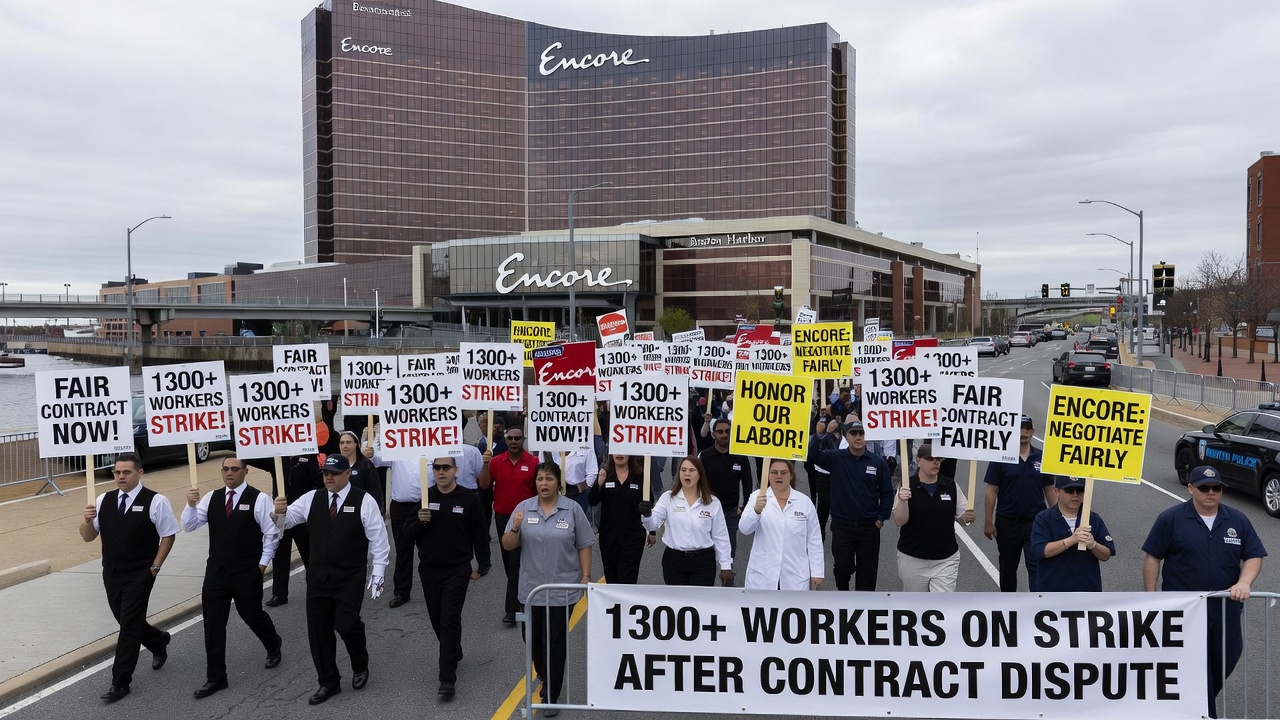
What's interesting is how the action aligns with broader patterns in the sector, where unions have pushed for improved compensation packages at properties owned by major operators like Wynn Resorts. Figures from the U.S. Bureau of Labor Statistics show steady employment growth in hospitality and gaming, and these trends have given workers additional leverage during negotiations. The reality is that many casino employees face irregular shift schedules and high customer volumes, factors that often surface in bargaining disputes across the country.
Impact on Operations and Workers
Guests arriving at the property have encountered picket lines and some adjusted service times, although the casino floor and hotel remain open. Management has reported that revenue streams have held steady in the first week, while union members have set up information tables to explain their position to visitors and passersby. Several local businesses near the casino have seen increased foot traffic from striking workers who gather daily, and community organizations have offered support in the form of food and supplies.
And the situation has prompted discussions among other casino workers in the region about their own contract timelines, although no additional strikes have been announced. Wynn Resorts has maintained that it values its workforce and intends to reach a resolution that supports long-term stability for the property, yet the company has declined to share specific details of its latest offer while talks remain suspended.
Regulatory and Economic Considerations
Massachusetts gaming authorities have confirmed that the strike does not violate any licensing conditions, and they continue to review daily operational reports submitted by the casino. The state labor department has also tracked unemployment claims filed by some participants, while the overall economic effect on the local area appears limited in these early stages. Researchers at the American Gaming Association have documented similar labor actions at other properties, and their reports highlight how such events can influence contract patterns industry-wide without necessarily halting casino revenue.
Yet the strike has drawn attention from policymakers who track hospitality employment trends, and several state legislators have issued statements encouraging both sides to resume talks promptly. The property itself sits on a waterfront site that opened in 2018, and it has become a significant employer in the greater Boston market, so the outcome of this dispute could shape future agreements at other Massachusetts gaming venues.
Conclusion
The strike at Encore Boston Harbor continues with no immediate end in sight, and both the union and Wynn Resorts have indicated they remain committed to finding common ground. Observers will watch for any new developments in the coming weeks, particularly as the fall season approaches and visitor numbers typically rise. The event underscores the role of collective bargaining in the casino industry, where large workforces negotiate terms that affect daily operations and long-term business planning. Updates from official channels such as the Massachusetts Gaming Commission will provide further clarity as the situation evolves.